Choosing flooring for a commercial space is different from choosing flooring for a home. Businesses have to think about foot traffic, cleaning routines, moisture, appearance, maintenance, and how well the floor will hold up over time.
That is why commercial vinyl flooring has become such a practical option for many commercial environments.
But vinyl flooring is not one single product. LVT, LVP, and sheet vinyl each have different characteristics, installation considerations, and ideal applications.
So which one makes sense for your business?
The answer depends on how the space is used and what you expect from the flooring.
What Is Commercial Vinyl Flooring?
Commercial vinyl flooring is a broad category of resilient flooring products designed for areas that experience regular use.
Unlike traditional flooring materials that may require extensive maintenance, vinyl products can offer a combination of durability, easy cleaning, moisture resistance, and design flexibility.
Modern vinyl flooring can also replicate the appearance of materials such as hardwood, stone, and ceramic tile. That gives businesses more design options without necessarily sacrificing practicality.
The three types most commonly compared are LVT, LVP, and sheet vinyl.
Commercial LVT Flooring Explained
LVT stands for luxury vinyl tile.
Commercial LVT flooring is designed to provide the appearance of materials such as stone, ceramic tile, or other hard surfaces while using a resilient vinyl construction.
One of the biggest advantages of LVT is design flexibility. Individual tiles can be arranged in different patterns, allowing businesses to create a finished appearance that complements their brand and interior design.
LVT can be a strong choice for:
- Retail spaces
- Offices
- Hospitality environments
- Showrooms
- Healthcare-related spaces
- Common areas
- High-traffic commercial interiors
Because LVT is available in different visual styles, it can work when appearance is just as important as everyday performance.
Commercial Vinyl Plank Flooring Explained
LVP stands for luxury vinyl plank.
As the name suggests, LVP is produced in plank-shaped pieces and is commonly designed to replicate the appearance of hardwood.
Commercial vinyl plank flooring can give a business the warmth and visual appeal associated with wood while providing the practical characteristics associated with resilient vinyl flooring.
It can be particularly useful in commercial environments where the business wants a wood-look floor but needs a surface that is easier to maintain.
LVP can work well in:
- Office spaces
- Retail stores
- Restaurants and hospitality areas
- Waiting rooms
- Reception areas
- Commercial common areas
The important point is that LVP should be selected based on the environment rather than appearance alone. Traffic levels, moisture exposure, installation requirements, and maintenance expectations should all be considered.
What About Sheet Vinyl?
Sheet vinyl is different from LVT and LVP because it is supplied in larger continuous sections rather than individual tiles or planks.
That can reduce the number of seams across a floor.
Fewer seams can be particularly useful in environments where moisture and frequent cleaning are important considerations. However, the specific product and installation method still matter.
Sheet vinyl may be worth considering for certain commercial environments where practical maintenance and surface continuity are priorities.
As with any flooring project, the right product depends on the space, the subfloor, traffic levels, and the intended use.
Commercial Vinyl Tile Flooring vs. Plank Flooring
One of the most common questions businesses have is whether to choose commercial vinyl tile flooring or vinyl plank flooring.
The visual difference is usually the easiest place to start.
LVT is commonly selected when a business wants a tile or stone appearance, while LVP is generally chosen when the goal is a wood or plank appearance.
But design is only part of the decision.
Think about the room itself.
A modern office may benefit from the clean lines of LVT. A retail space looking for a warm wood appearance may be better suited to LVP. A space with specific moisture or cleaning requirements could call for a different vinyl solution altogether.
The flooring should support the function of the space rather than simply matching a preferred visual style.
LVT vs. LVP vs. Sheet Vinyl: What’s the Difference?
Here is a simple way to think about the three options:
LVT: Best known for tile and stone-inspired designs. Individual pieces offer design flexibility and can create different visual patterns.
LVP: Designed around a plank format and commonly used to create wood-look floors.
Sheet vinyl: Installed in larger continuous sections, making it an option worth considering where fewer seams are desirable.
None of these options is automatically the “best” commercial flooring for every business.
The better question is: Which flooring fits the demands of this particular space?
What Should Businesses Consider Before Choosing?
Foot Traffic
Commercial floors can experience significantly more daily traffic than residential floors.
Consider how many people will walk across the space and whether traffic is concentrated in particular areas.
A retail entrance, office corridor, and private office may all have very different flooring demands.
Cleaning and Maintenance
Commercial flooring should fit the business’s maintenance routine.
A floor that looks excellent but requires more maintenance than your team can realistically provide may not be the right choice.
Vinyl flooring is often attractive to businesses because it is relatively easy to clean and maintain. Still, maintenance requirements vary by product, so always consider the manufacturer’s recommendations.
Moisture Exposure
Some commercial environments deal with more moisture than others.
Entrances, food-service areas, restrooms, and other locations may require flooring with appropriate moisture-resistant characteristics.
The subfloor and installation system also need to be considered. Choosing a moisture-resistant surface does not eliminate the need for proper preparation and installation.
Appearance
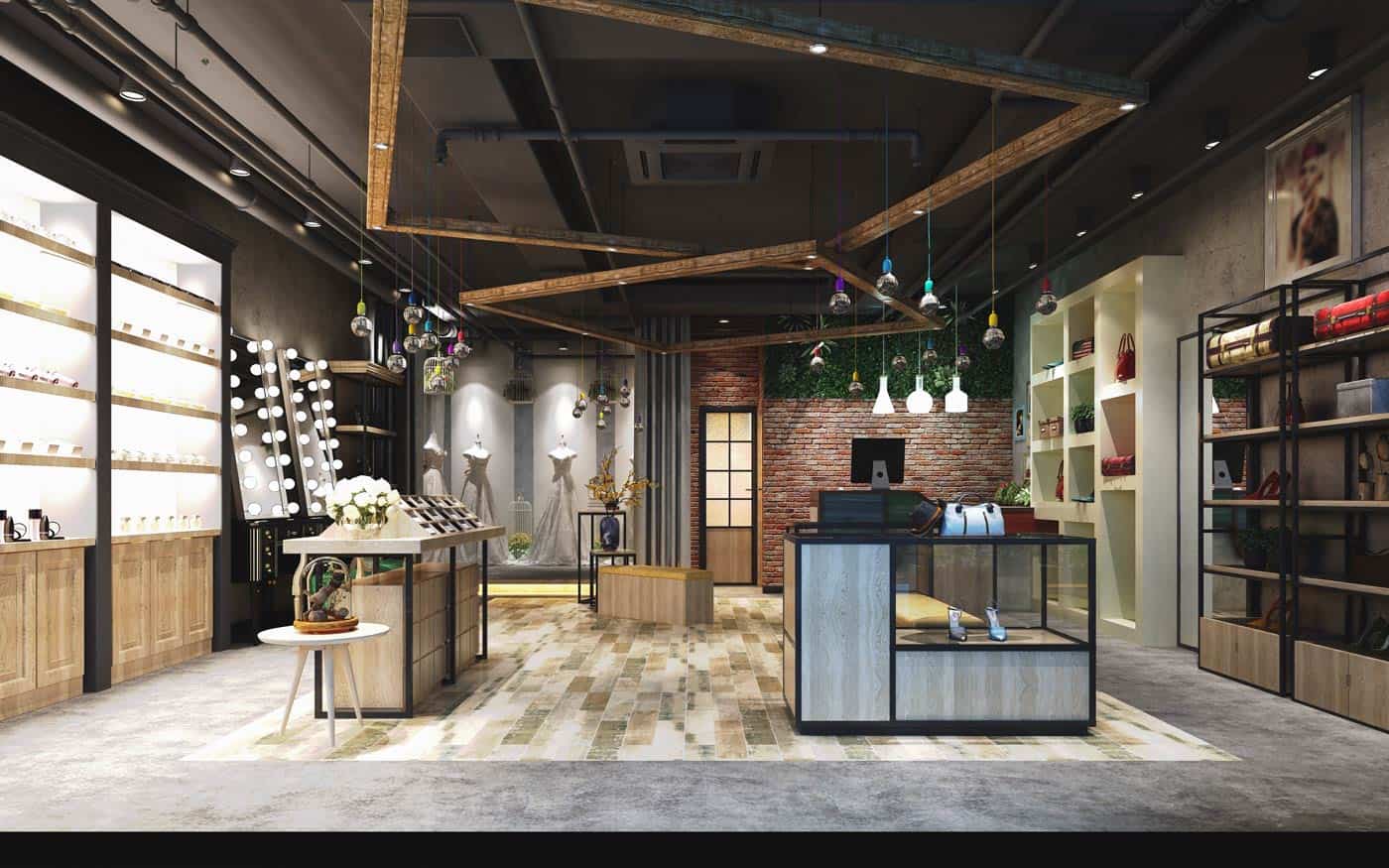
Commercial flooring contributes to the overall customer experience.
A retail store may want flooring that reinforces its brand. An office may prioritize a professional appearance. A hospitality business may want something that creates a specific atmosphere.
LVT and LVP provide particularly broad design possibilities because they can reproduce the appearance of other materials.
Installation
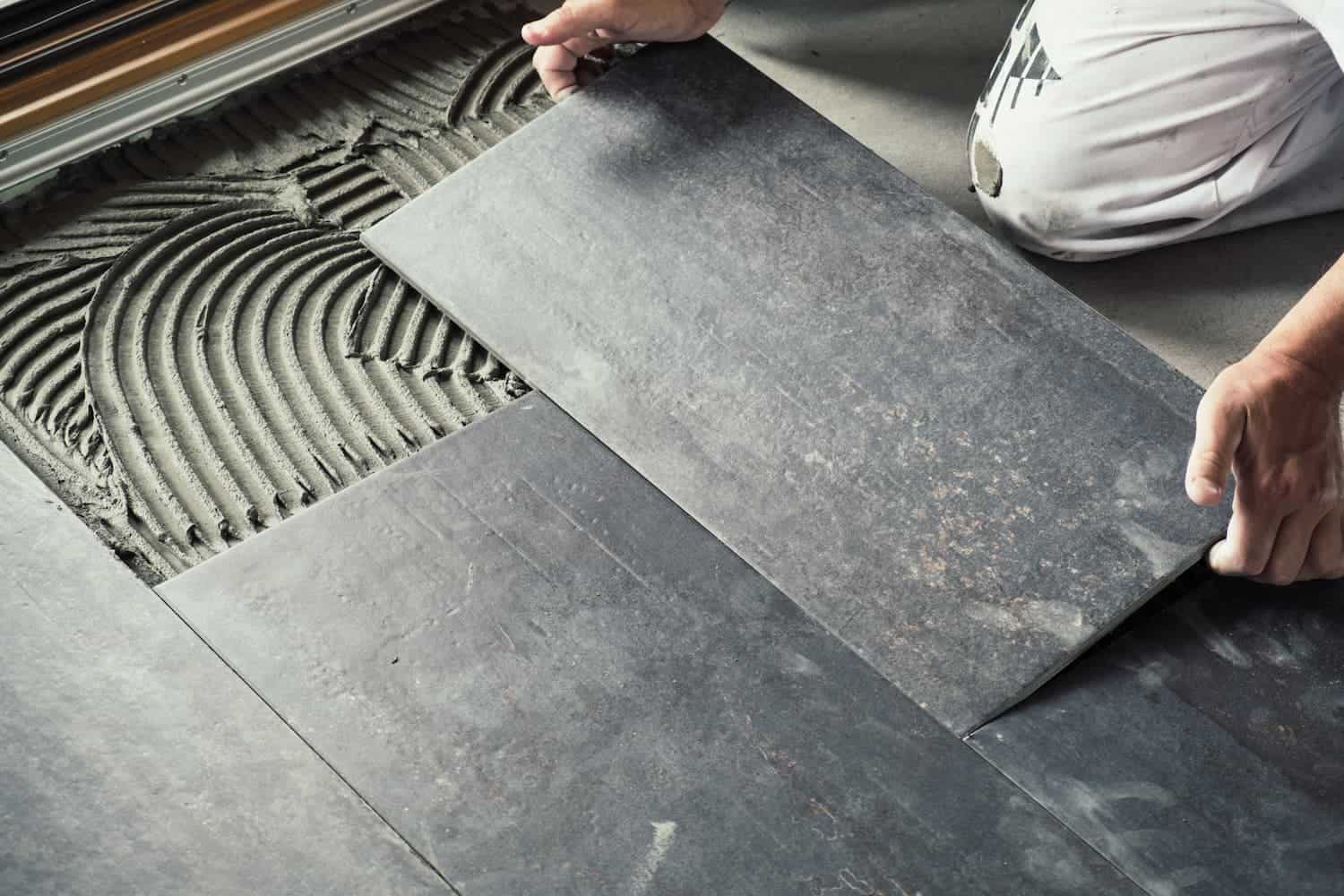
Even a high-quality flooring product can perform poorly when the installation is not handled correctly.
Subfloor preparation, measurements, layout, transitions, seams, and finishing details all affect the final result.
Professional installation can help businesses avoid problems caused by improper preparation or installation techniques.
Which Commercial Vinyl Flooring Is Right for Your Business?
There is no universal winner between LVT, LVP, and sheet vinyl.
Choose LVT when tile or stone aesthetics and flexible design are important.
Consider LVP when you want the appearance of hardwood or natural wood planks with the practical benefits of vinyl flooring.
Consider sheet vinyl when a more continuous surface and reduced seams are important considerations for the application.
The best choice should be based on the actual conditions of the space, not simply the latest flooring trend.
Why Professional Commercial Flooring Installation Matters
Commercial flooring projects need to be planned around the business environment.
At Magic Carpet Flooring, the commercial flooring team works with businesses on flooring solutions for commercial spaces, including hard-surface flooring options.
The company has completed hundreds of commercial flooring projects and offers professional installation as part of its flooring services.
A professional approach can help ensure that the selected flooring is properly measured, prepared, installed, and finished for the space.
That is particularly important when the flooring will be exposed to heavy traffic and regular cleaning.
Request a Commercial Quote
Choosing between LVT, LVP, and sheet vinyl becomes easier when you start with the needs of your space.
Consider traffic, moisture, maintenance, appearance, installation requirements, and the overall function of the area. From there, a flooring professional can help narrow down the options that make the most sense.
Magic Carpet Flooring offers commercial flooring solutions for businesses throughout the Bay City and surrounding Tri-City area.
If you’re planning a new commercial flooring project, request a commercial quote and discuss your space with the Magic Carpet Flooring team