A commercial kitchen floor has a much harder job than the flooring in a typical home.
It has to withstand constant foot traffic, food spills, moisture, grease, cleaning chemicals, dropped equipment, and repeated cleaning. At the same time, the surface needs to support a clean and safe working environment.
That makes choosing flooring for commercial kitchen spaces more complicated than simply picking a material that looks good.
There is another consideration: regulatory requirements.
In Michigan, food-related facilities have requirements concerning characteristics such as cleanability and absorption. Michigan Department of Agriculture and Rural Development guidance states that floors in food processing and storage areas must be smooth, easily cleanable, and non-absorbent, and that carpeting is not permitted in those areas.
The FDA Food Code is a model used by jurisdictions when developing food-service regulations. Its 2022 edition likewise calls for indoor floor surfaces in food-establishment operations to be smooth, durable, and easily cleanable, with nonabsorbent surfaces required in areas subject to moisture.
So what does that mean when you’re selecting commercial kitchen flooring?
Let’s break it down.
What Makes Good Commercial Kitchen Flooring?
A commercial kitchen floor needs to perform under demanding conditions.
Before considering color or appearance, focus on performance.
The right flooring should be:
- Durable
- Easy to clean
- Appropriate for wet environments
- Resistant to stains and spills
- Suitable for heavy traffic
- Properly installed
- Appropriate for the applicable local requirements
These characteristics matter because commercial kitchens operate differently from offices, retail stores, or residential spaces.
A kitchen floor may be cleaned frequently and exposed to water, food debris, grease, and other substances throughout the day.
A material that works beautifully in a retail showroom may not be appropriate for a food-preparation environment.
What Do Michigan Requirements Say About Kitchen Floors?
This is where you need to be careful with online advice.
Not every rule you find on a national flooring blog automatically applies to a Michigan restaurant.
Michigan’s MDARD guidance for wholesale manufactured food facilities states that floors must be smooth, easily cleanable, and non-absorbent, and that carpeting is not allowed in food processing or storage areas.
The FDA Food Code is different. It is a model code rather than automatically being law everywhere. The FDA explains that state and local jurisdictions can adopt the Food Code when developing their own food-safety regulations.
That distinction matters.
If you’re opening or renovating a commercial kitchen, you should confirm the requirements that apply to your specific facility and jurisdiction rather than assuming that a generic internet checklist represents the complete code.
Your flooring contractor can help with product selection and installation considerations, but regulatory approval should be confirmed with the appropriate authority having jurisdiction.
Why Smooth and Easily Cleanable Surfaces Matter
Commercial kitchens need to be cleaned regularly.
Food particles, liquids, grease, and other residues cannot be allowed to accumulate in difficult-to-clean areas.
The FDA Food Code specifically identifies smooth, durable, and easily cleanable surfaces as appropriate characteristics for indoor floors in food-establishment operations.
This is one reason flooring selection should consider the entire cleaning routine.
Ask yourself:
Can employees clean the surface efficiently?
Can moisture and spills be removed without leaving difficult-to-clean areas?
Does the flooring create unnecessary seams, gaps, or other places where debris can accumulate?
Those questions are more important than simply choosing the most attractive product.
What About Non Slip Commercial Kitchen Flooring?
Slip resistance deserves serious attention in commercial kitchens.
Water, cleaning solutions, food ingredients, and grease can all make walking surfaces more challenging.
That’s why businesses often look for non slip commercial kitchen flooring designed to provide appropriate traction under demanding conditions.
However, “more textured” does not automatically mean “better.”
A flooring surface needs to balance traction with cleanability.
An extremely aggressive texture can create its own maintenance challenges if food debris and residue become difficult to remove.
The right choice depends on the environment, the flooring product, cleaning procedures, and applicable requirements.
Are Commercial Kitchen Flooring Tiles a Good Choice?
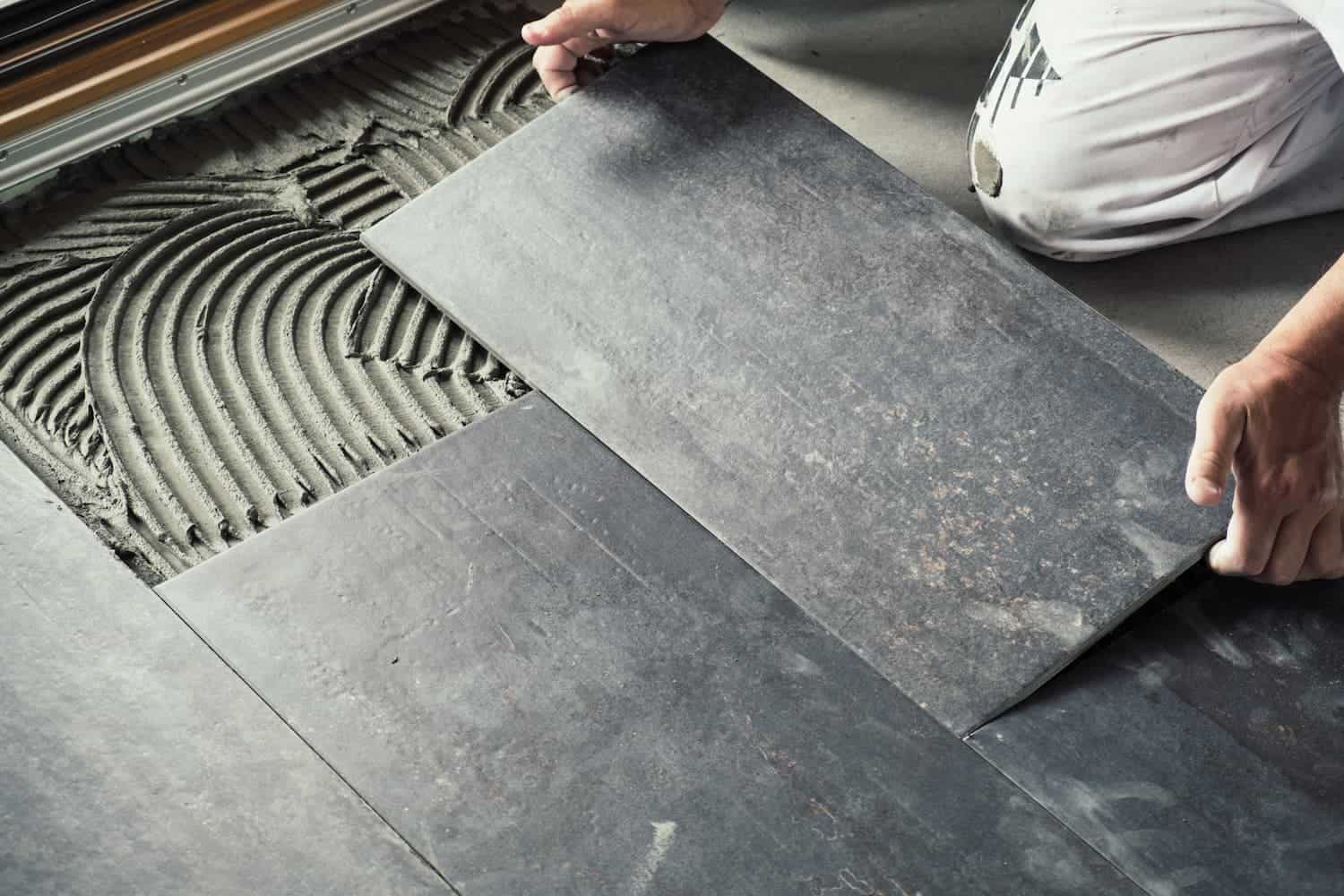
Commercial kitchen flooring tiles can be suitable for certain commercial applications, but the specific product matters more than the word “tile.”
Commercial flooring comes in different materials, constructions, textures, and performance characteristics.
When evaluating a tile or other hard-surface product, consider:
- Moisture exposure
- Cleaning requirements
- Foot traffic
- Impact resistance
- Slip resistance
- Maintenance
- Installation method
- Applicable health and building requirements
The important question isn’t simply, “Is tile good for a kitchen?”
It’s:
“Is this particular flooring product appropriate for this particular kitchen?”
Don’t Forget the Floor-to-Wall Connection
The floor itself isn’t the only thing that matters.
Commercial kitchen sanitation also involves how the floor meets the surrounding walls.
The FDA Food Code includes requirements concerning floor and wall junctures in areas where cleaning involves spraying or flushing. It calls for appropriate coving and sealing to facilitate cleaning and prevent conditions where moisture and waste can accumulate.
This is easy to overlook during a renovation.
You can select an excellent flooring product and still create maintenance problems if the installation details aren’t handled properly.
That’s why commercial flooring should be considered as a complete system rather than simply a surface material.
What Flooring Should You Avoid in a Commercial Kitchen?
The answer depends on the exact type of facility and applicable regulations, but carpeting is an obvious example of a material that generally does not belong in food-preparation areas.
The FDA Food Code restricts carpeting in food-preparation areas, walk-in refrigerators, warewashing areas, and other locations where floors are exposed to moisture, flushing, or spray cleaning.
Michigan MDARD likewise states that carpeting is not allowed in food processing or storage areas covered by its guidance.
The broader lesson is simple:
Don’t choose flooring for a commercial kitchen based solely on appearance, comfort, or what works in a residential space.
The operating environment comes first.
Durability Matters in a Busy Kitchen
Commercial kitchens rarely have “light traffic.”
Employees may walk between preparation areas, cooking equipment, storage, refrigeration, dishwashing stations, and service areas throughout the day.
Equipment may also be moved during cleaning or maintenance.
That means durability should be part of the flooring decision from the beginning.
Think about the actual environment.
A kitchen serving a small operation may experience very different traffic patterns from a large restaurant, institutional kitchen, or food-production facility.
The flooring needs to match the workload.
Maintenance Should Be Part of the Decision
A floor that looks great on installation day isn’t necessarily the right commercial floor.
Ask how the surface will be maintained six months or several years from now.
Consider:
- Daily cleaning
- Deep cleaning
- Spill response
- Recommended cleaning products
- Stain resistance
- Repair requirements
- Long-term appearance
A flooring material that is easy to maintain can help simplify daily operations.
And in a commercial kitchen, simplicity has real value.
What Is the Best Flooring for a Commercial Kitchen?
There isn’t one universal answer.
The best flooring for commercial kitchen environments depends on the facility, the type of work performed, the amount of moisture and traffic, cleaning practices, and applicable regulations.
Instead of starting with a material name, start with the operating conditions.
For example:
A food-preparation area may have stricter requirements than a customer-facing dining area.
A high-moisture cleaning environment has different needs from a relatively dry commercial space.
A restaurant kitchen has different demands from an institutional or food-production facility.
That is why professional assessment matters.
Why Professional Commercial Flooring Installation Matters
Commercial flooring installation requires more than simply placing flooring material on a prepared surface.
The installer needs to understand the product requirements, subfloor conditions, layout, transitions, seams, moisture considerations, and finishing details.
Poor installation can undermine an otherwise suitable flooring product.
Before beginning a commercial kitchen flooring project, discuss:
- Subfloor preparation
- Product specifications
- Installation method
- Floor-to-wall transitions
- Drainage and moisture considerations
- Cleaning requirements
- Warranty information
- Applicable regulations
A professional flooring company can help you evaluate the installation requirements and select products appropriate for the intended application.
Choosing Flooring for More Than the Kitchen
Commercial businesses often need flooring throughout more than one area.
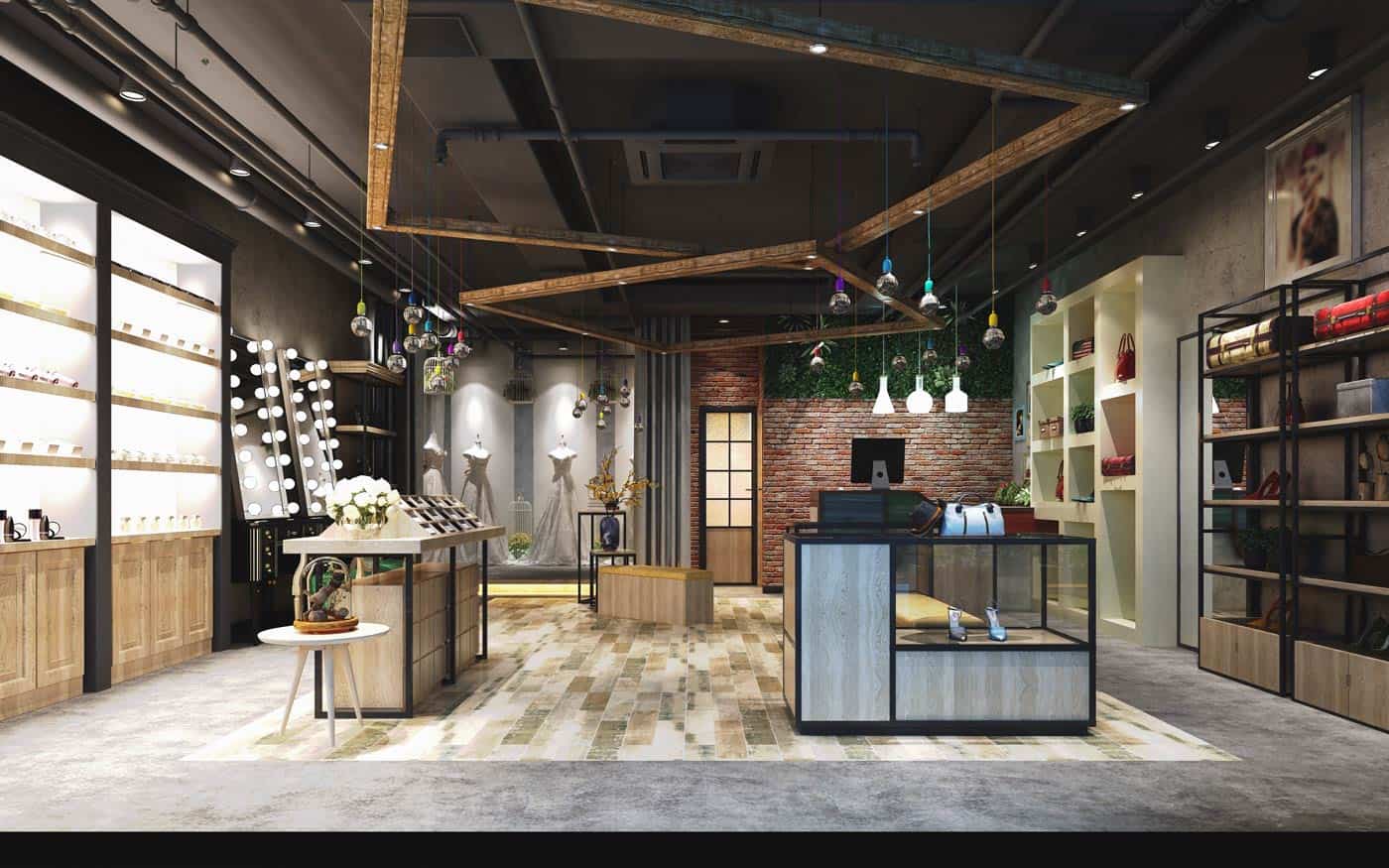
A restaurant might need different flooring solutions for its kitchen, dining area, entrance, and office.
A retail food business may need flooring for preparation areas as well as customer-facing spaces.
This is where a commercial flooring specialist can help you think about the entire property rather than treating every room as a separate project.
The flooring should make sense for each area’s function while creating a cohesive finished environment.
Why Work With Magic Carpet Flooring?
Magic Carpet Flooring provides commercial flooring solutions for businesses in Bay City and the surrounding Greater Tri-City Area.
The company works with commercial clients on flooring projects and offers access to established flooring brands and professional installation.
For a commercial kitchen project, the goal isn’t simply to find something attractive.
You need a flooring solution that fits the demands of the environment and can be installed correctly.
Because commercial requirements vary by facility, it is also important to discuss your specific application before selecting a product.
Frequently Asked Questions
What is the best flooring for a commercial kitchen?
There is no single best material for every commercial kitchen. The right choice depends on moisture exposure, traffic, cleaning practices, durability requirements, installation conditions, and applicable regulations.
Is carpet allowed in a commercial kitchen?
Carpeting is restricted in food-preparation areas and other moisture-exposed areas under the FDA Food Code model provisions. Michigan MDARD also states that carpeting is not allowed in food processing or storage areas covered by its requirements.
What should commercial kitchen flooring be?
Applicable requirements generally emphasize characteristics such as being smooth, durable, easily cleanable, and nonabsorbent where moisture is present. The exact requirements depend on the facility and jurisdiction.
Is slip resistance important in a commercial kitchen?
Yes. Kitchens can involve water, grease, cleaning solutions, and other substances that affect traction. Flooring selection should balance appropriate slip resistance with cleanability and the requirements of the specific facility.
Request a Commercial Quote
Choosing flooring for commercial kitchen spaces requires more than picking a durable-looking surface.
The flooring needs to work with your cleaning routine, traffic levels, moisture exposure, installation conditions, and applicable requirements.
Magic Carpet Flooring can help you evaluate your commercial flooring needs and identify options suited to your project.
Request a commercial quote today to discuss your flooring project with the Magic Carpet Flooring team.